
Before Anyone Picks Up a Tool, Agree What the Job Is
Most of the friction I see on a job was decided before the work started, usually in a conversation that was shorter than it should have been. Not because anybody was being difficult. Because two people used the same words and meant different things.
Here is how that conversation goes when it goes well.
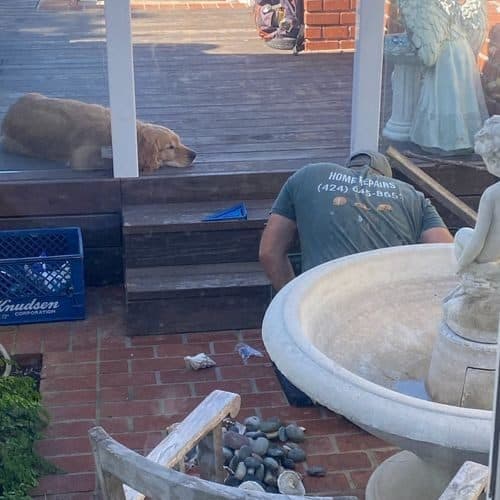
Worker repairing wood deck steps next to a brick patio.
Have somebody come and look
Almost nothing about a house can be priced from a description. A leak is a leak until you see where the water is actually coming from, and a drywall repair depends entirely on what is behind the drywall.
So the first step is that somebody comes out and walks it with you. That is normal and it should not cost you anything. We do it, most people in this trade do it, and if somebody quotes you a number without seeing the house, that number is a guess and it will change.
Say the whole list out loud while they are there
This is the part people skip, and it costs them.
When someone is standing in your hallway, mention the other thing. The door that sticks, the shelf, the fan that rattles. A lot of our work comes from the second sentence after "while you're here". It is cheaper for you, because the trip is already paid for, and it means the price you agree covers everything you actually wanted rather than the one thing you called about.
Make sure you both mean the same thing
"Fix the hallway ceiling" can mean patch a hole or it can mean cut back to solid board, tape, texture to match and paint the whole plane so it disappears. Those are different jobs and different prices, and both are reasonable.
You do not need a document for this. You need one more sentence. Ask what is included and what the finished thing will look like. If the answer describes the result rather than the task, you are talking to somebody who has done it before.
Ask what happens if they find something
This is the only part worth being deliberate about, because it is where a small job quietly becomes a big one.
Some things are invisible until something is opened. Rot behind tile, a pipe where nobody expected it, a second layer of flooring. The right answer is that work stops, you get told what was found and what it costs, and nothing continues until you say go. Ask the question while everyone is relaxed, not later.
Know where a handyman stops
In California, work past a certain size, and anything structural, or electrical and plumbing beyond straightforward replacements, belongs to a licensed contractor.
We are a handyman service, so that applies to us as well, and we say so instead of stretching. Anyone who tells you the line does not exist has told you something useful about the rest of the job.
Flat price or hourly, just know which
Both are honest. A flat price puts the risk of the job running long on whoever quoted it. Hourly puts it on you. Neither is a trick, but they are different deals and it is worth knowing which one you agreed to before the first hour.
The short version
Get somebody to look. Tell them the whole list while they are there. Agree what finished looks like. Ask what happens if they find something. That is four sentences of conversation and it prevents almost every argument I have ever seen on a job.
Home Maintenance & Honey-Do List we have done in Los Angeles
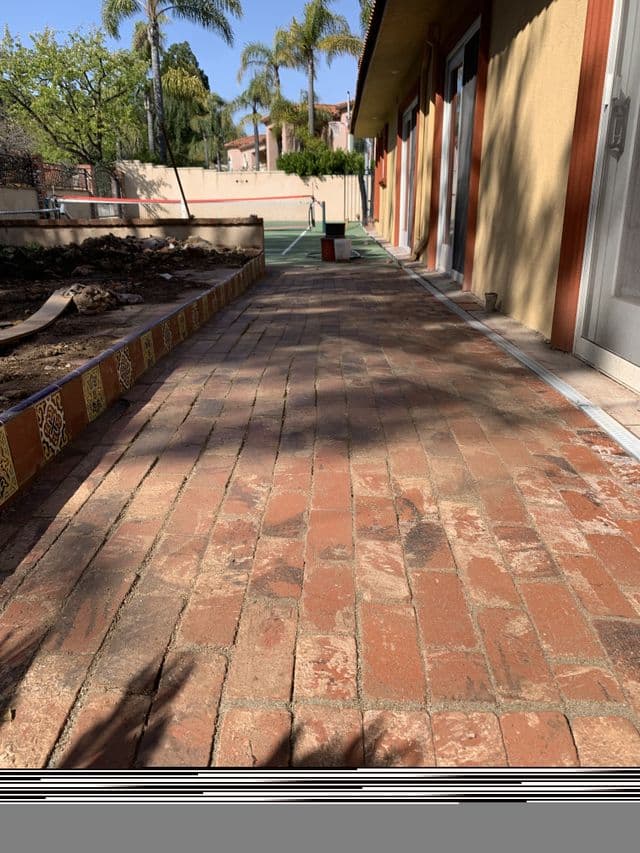
Real Home Maintenance & Honey-Do List jobs by Construction Hub. Our own photos, not stock, and not staged for this guide.
Read next
What home maintenance & honey-do list costs in Los Angeles, and what moves a quote to the top of the range.
More DIY guides
You can diagnose a blocked gutter from the ground in about ten minutes.
A door that binds in January and swings fine in August has not warped.
Every guide we have written, and the point in each job where it is worth handing over.
Get the next guide by email
New how-to guides and the seasonal checklist for LA houses. No sales emails.
We'll only use your email for the guides.